

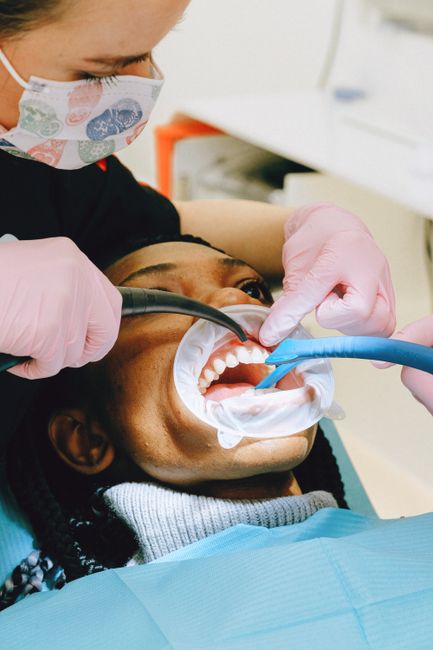
CBC & OPG Scan Gallery
$$MultiPurposeText$$
See examples of our CBC & OPG Scan work and results.


What Our Clients Say
$$MultiPurposeText$$
Read testimonials from our satisfied customers

Thorough consultation, well informed doctors, thorough treatment, and top notch equipment.

I had two wisdom teeth extracted at Sky Dental Clinic by Dr. Shrijana, and the experience ...more

The service was amazing. Highly recommended.

Professional staff. Reception called at the scheduled appointment time and rescheduled upo...more

Smooth experience with Dr. Shrijana. She is very friendly and explained everything very pa...more

Wonderful ambience and service in the hospital

Frequently Asked Questions
Get answers to common questions about CBC & OPG Scan.
OPG is a 2D panoramic X-ray showing the entire jaw on a single image; CBC (CBCT) produces 3D volumetric views revealing bone, canals and spatial relationships crucial for implants and complex diagnostics.
No special preparation is usually required. Remove metal jewelry and glasses; bring any previous dental records or imaging. Pregnant patients should inform staff. The team at Sky Dental Clinic will guide you through the quick, safe process.
Both OPG and CBCT use low-dose dental imaging protocols. CBCT radiation is higher than panoramic but still low; we adhere to ALARA principles and only scan when clinically justified to minimize exposure.
Most imaging appointments take less than fifteen minutes. The OPG or CBCT capture itself lasts seconds to a minute, with positioning and review adding a few extra minutes for accurate results.
Yes. Our specialists review scans with you, explain findings in plain language and outline treatment options. High-resolution 3D images help visualize problems and support informed decisions about implants or periodontal care.
Yes. CBC (CBCT) and OPG can reveal cysts, abscesses, bone loss and other pathologies. CBCT provides detailed three-dimensional views for detecting small lesions and assessing their extent before treatment. We will recommend further tests or referrals when necessary.